
Businesses that run smoothly and sustainably are proactive when it comes to tracking and recording work-related expenses.
If you have some systems in place, follow the same habits and store your records methodically, you’ll save yourself (and your tax accountant) a great deal of time and effort.
The importance of reliable expense record keeping
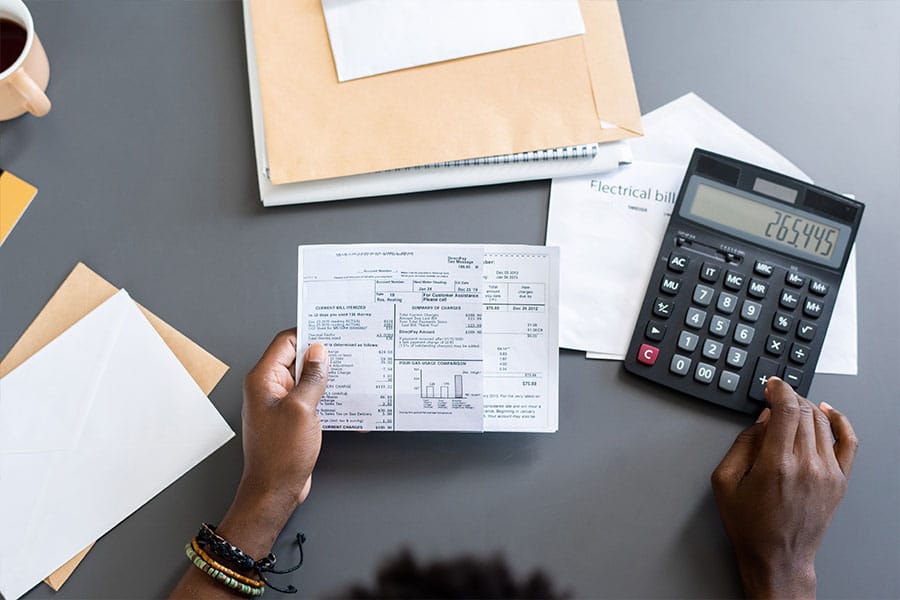
Good record keeping means you’ll always have the evidence you need to support your expense claims if you have to.
Hanging onto paper receipts is one method, but it will slow you and your accountant down at tax time. Keeping digital records makes more sense so you can share information directly with your accountant and connect with accounting software that streamlines your deductible expense reporting.
The ATO recommends the MyDeductions app as a good place to start. This gives you secure, all-in-one storage and will give you fast access to all your expense records.
Work-related expense categories
Most tax-deductible business expenses fall into one of these categories:
Working from home expenses: Keep a record of hours worked and relevant costs so your accountant can help you to claim deductions accurately. There are formulas that can be applied to figure out these costs.
Read more: WFH claim expense guidelines.
Car expenses: Deductible car expenses require either the logbook method or cents-per-kilometre method. Both methods require detailed records, including trip logs or mileage documentation. Speak to your accountant and get in the habit of tracking trips and fuel, either with a notepad or an app.
Read more: Is your vehicle tax deductible and what can you claim?
Work-related expenses: These are all the other costs associated with operating your business, from software subscriptions to supplier payments. Almost anything can apply as a work-related expense, so long as it has been used to run or grow your business, but the tax office warns that: “There is a common myth that you can claim $300 for work-related expenses automatically, without proof. If your total claim for work-related expenses is less than $300, you may not need receipts, but you must be able to show you spent the money and how you have calculated the amount of your claim.”
Read more: How do you know what’s a claimable business expense?
Personal vs work expenses
Avoid spending business funds on personal expenses. Doing so creates a ‘tangle’ of receipts and will extend the time required to spend your tax return.
Skip the temptation to dip into your business account to quickly buy groceries or pay a mortgage bill. It’s better to create a habit of paying yourself a set ‘salary’ each month (don’t forget to pay yourself superannuation as well) and keeping your business accounts for work expenses only.
If you do need to spend money from your business, redirect it to your personal account first and give it a label like ‘Director fees’ so it can easily be accounted for and you can get an idea of how much you’re paying yourself using the business’s money.
Other reasons to keep your expense records
Using expense records to file your taxes isn’t the only reason to have a system for storing receipts and other relevant documents.
Your business must keep a record of all transactions relating to tax, superannuation and registration affairs. As the ATO clarifies, expense records should be kept for a period of at least 5 years. If you are audited, you’ll need to be able to share records of transactions.
Finally, having comprehensive expense records will make a big difference if you ever decide to sell. Being able to share accurate expense records will give potential buyers a transparent view of your business costs so they can estimate future expenses and calculate the overall value of your business. You’ll also be able to work closely with your accountant and valuer to establish how much you can sell for.
Need help to track your expense records?
Mobbs & Company are tax accountants who can help you implement an effective system for expense record keeping. Schedule an appointment today.